In this article
- What is non-medical home care?
- Why is the transition home after a hospital stay risky?
- How do in-home caregivers support recovery, safety and independence?
- What daily tasks do non-medical home caregivers provide?
- How can families find and arrange in-home care quickly and confidently?
- What should families know about costs, insurance and payment options?
- A final word on non-medical in-home care
Coming home after a hospital stay can feel like a huge relief, but it’s also one of the most vulnerable moments in recovery, making non-medical post hospital home care essential for many adults.
“At home, there’s no call button, no constant monitoring, no immediate help,” says Macie Smith, a social worker and gerontologist with Synergy HomeCare. “People are often weaker, more tired and adjusting to new medications or mobility limits. Even simple tasks like walking to the bathroom or preparing a meal can increase the risk of falls or complications if the proper support isn’t in place beforehand.”
Whether you’re looking to line up care for yourself or a loved one after a hospital stay, here’s everything you need to know about non-medical home care.
Key takeaways
- The hospital-to-home transition is one of the riskiest points in recovery. Without round-the-clock monitoring, people are often weaker, foggier and more prone to falls, missed medications or complications — especially in the first one to two weeks at home.
- Non-medical home care fills the gap between discharge and full independence. While it doesn’t provide medical treatment, trained caregivers support daily living, safety, medication reminders and emotional well-being, helping prevent re-hospitalization.
- Early planning and the right support can save stress and money long-term. Lining up non-medical home care ahead of discharge improves safety and confidence, and often reduces the risk of costly setbacks that come from trying to manage alone too soon.
What is non-medical home care?
Sometimes referred to as post-hospital home care, non-medical home care helps adults live safely and comfortably at home while providing companionship, especially when they’re recovering, aging or temporarily not at their baseline, explains Nandita Menon, owner of Havencare, a San Francisco Bay Area–based, non-medical in-home care company.
The goal, ultimately, is to prevent re-hospitalization.
“This type of care is provided by trained caregivers, who assist with mobility, bathing, meals, medication reminders, companionship, safety monitoring and more,” Menon notes. “Medical care treats the condition. Non-medical care supports the person.”
“Medical care treats the condition. Non-medical care supports the person.”
— Nandita Menon, owner of a non-medical in-home care company
How does non-medical home care differ from medical or skilled in-home care?
Non-medical home care requires specialized knowledge and medical awareness, but is not performed by individuals with medical degrees or credentials, explains Dominique Johnson, co-owner of in-home care agency, Visiting Angels, in Chino, California.
“Often nurses or licensed practical nurses (LPN) are mandated by physicians to handle chronic pain management, injections, wound care and physical therapy,” Johnson explains. “In other cases, non-medical in-home care providers are recommended to focus more on the activities of daily living, emotional support and help ensure the post-operative care guidelines are followed.”
Think of this type of care as a set of helping hands to provide hands-on, day-to-day support, not medical treatment.
Why is the transition home after a hospital stay risky?
The main reason the hospital-to-home transition can be dangerous is because of the sudden gap between professional care and in-home support.
“In the hospital, you’re monitored around the clock by trained professionals,” notes Menon. “Once you’re discharged, that supervision can drop off overnight, even though you may still be physically weak, in pain or mentally foggy from anesthesia or new medications.”
For seniors, especially, recovery isn’t just physical, she continues. “There can be temporary confusion, slower reaction times, balance issues or impaired judgment in the days and weeks after a hospital stay,” Menon explains. “Someone may look OK on the surface, but still be unsafe navigating everyday tasks like getting to the bathroom at night or managing medications correctly.”
Menon adds that, generally, the first week or two at home is the most fragile. “This is when missed medications, falls, dehydration or exhaustion are most likely to happen.”
Another reason heading home carries risk? “Humans often have a hard time following directions, even if it’s in their best interests to do so,” Johnson states. “This is especially true for a senior or post-op adult who is likely in pain, tired and not in the best state of mind.”
How do in-home caregivers support recovery, safety and independence?
In-home caregivers are there to provide reassurance and steady support during a time when people often feel unsure of their abilities, says Smith.
“By helping with daily tasks and simply being present, caregivers allow individuals to heal at their own pace without feeling rushed or unsafe,” she says. “That confidence alone can make a huge difference in recovery.”
Further, caregivers play a key role in safety and early awareness, notes Menon. “Because they are present consistently, they’re often the first to notice subtle changes such as increased unsteadiness, fatigue, confusion or pain,” she explains. “These may be things families or clinicians may miss during brief or infrequent check-ins.”
What daily tasks do non-medical home caregivers provide?
No two people are alike, so tasks are individually tailored. That said, here’s what most non-medical in-home caregivers provide:
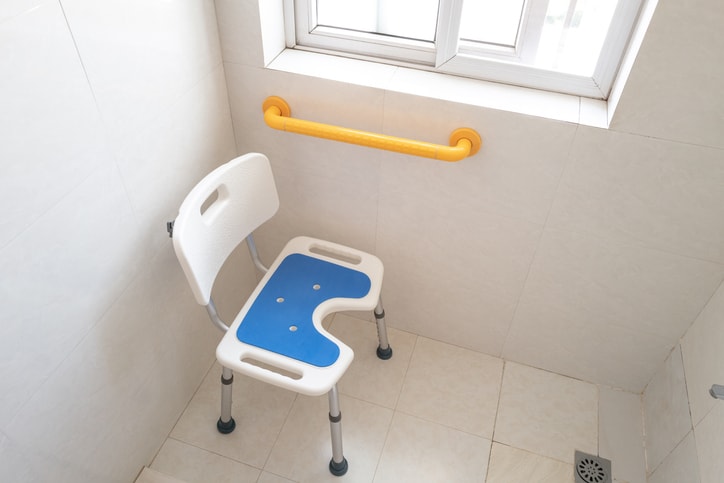
- Mobility support, such as help getting in and out of bed/walking around the house/using stairs, etc.
- Personal care needs, such as help bathing, dressing, grooming, toileting, etc.
- Meal and hydration reminders.
- Simple meal prep.
- Medication reminders.
- Light housekeeping to maintain a safe, clutter-free environment.
- Exercise encouragement and progress monitoring.
- Transportation.
- Healthcare coordination, such as communicating with the healthcare providers and family members.
- Companionship and emotional support.
“After a hospital stay, many folks feel anxious or unsure of themselves,” Menon notes. “Having a familiar, trusted person nearby helps restore confidence and encourages safe independence.”
Read more:
How can families find and arrange in-home care quickly and confidently?
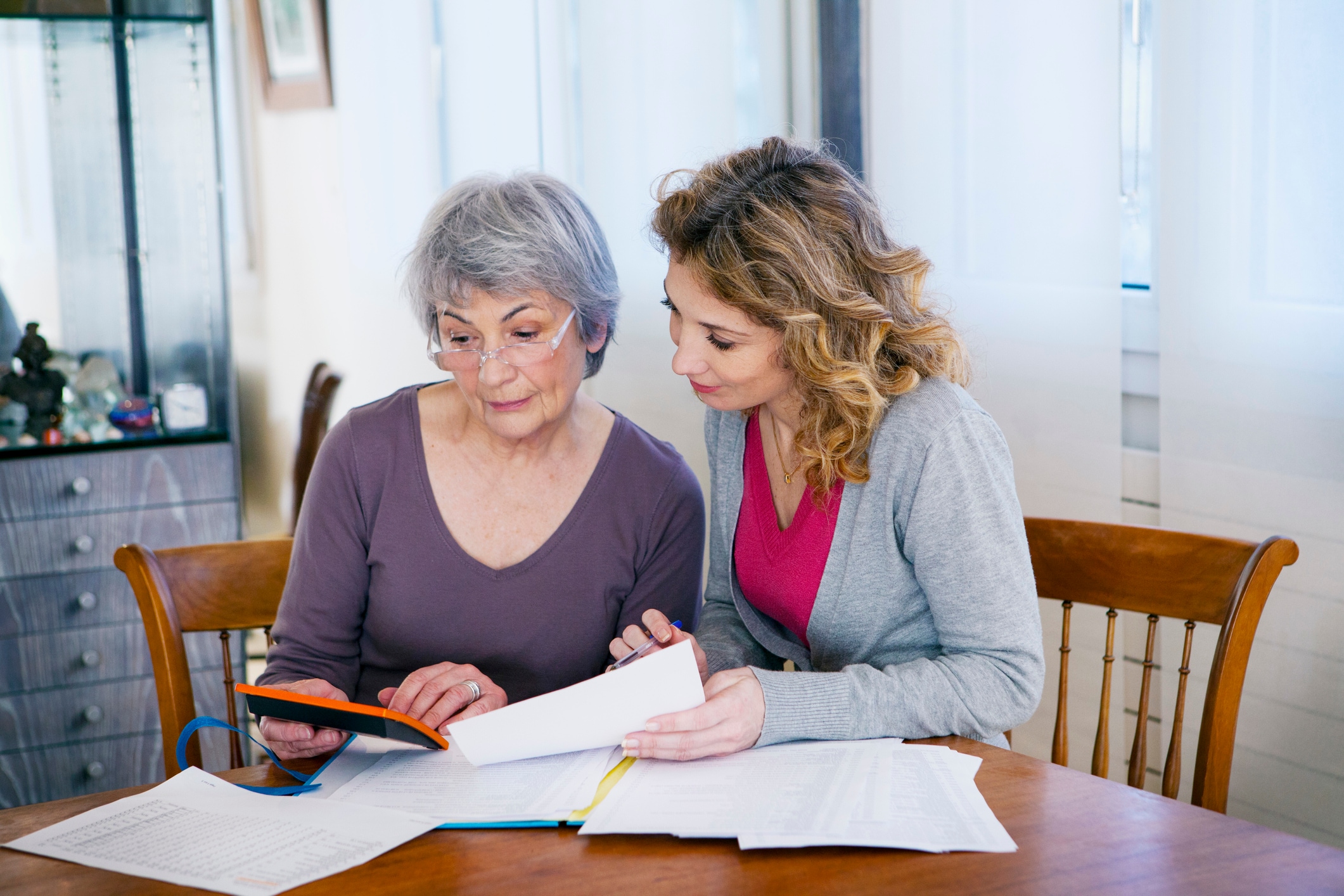
Don’t wait until the last minute. “Families should start planning for home care as early as possible, ideally while they or their loved one is still in the hospital,” Smith notes. “Hospital case managers and discharge planners can provide referrals [during pre-op meetings], but families can also contact reputable home care agencies in their area directly.”
“When choosing a provider, families should look for agencies that offer personalized care plans, thorough caregiver screening and 24/7 availability,” she continues. “Confidence in your chosen provider is key to making this transition as stress-free as possible.”
“When choosing a provider, families should look for agencies that offer personalized care plans, thorough caregiver screening and 24/7 availability. Confidence in your chosen provider is key to making this transition as stress-free as possible.”
— Macie Smith, a social worker and gerontologist
What should families know about costs, insurance and payment options?
Non-medical home care is usually paid for privately and isn’t covered by Medicare, Smith notes. “The good news is that some long-term care insurance plans, veteran benefits, and specific state programs may help with the cost.”
Smith encourages families to have an open conversation with the home care agency. “Many offer flexible schedules, from just a few hours a day to more ongoing support, so you’re only paying for what you truly need,” she says. “A good agency can also help you understand your options, explore benefits you may not realize you have and create a plan that supports both recovery and peace of mind.”
It’s crucial, Menon notes, to look for transparency. “You want clear pricing, written care plans and honest conversations about what is and isn’t covered,” she says.
A final word on non-medical in-home care
Getting support at home can be incredibly beneficial after a hospital stay or during another type of recovery. Not only does this type of care provide hands-on support with things like mobility and grooming, it also provides emotional support and helps instill confidence during a normally-vulnerable time.
And while it can be pricey, in the long run, it can actually save you, says Menon.
“It’s important to understand that while some costs may be recoverable, trying to save upfront by avoiding support often leads to more expense and more stress later on.”