In this article
Whether you are celebrating the ability to finally open the windows after a long, cold winter or are simply ready to welcome a new season, spring cleaning can be a rewarding ritual.
Spring cleaning usually includes tasks you only do once a year because they take a while. The good news is that setting limits by working in shorter bursts of time will actually speed up the process.
Sofia Martinez, chief executive officer of Sparkly Maid Austin says, “Shorter cleaning intervals provide the pressure needed to increase your pace.”
Here, Martinez and other cleaning professionals offer more spring cleaning hacks and time-saving tips to get you through another spring cleaning season without needing the whole season to accomplish your goals.
Key takeaways
- Declutter first. Experts say that clearing surfaces before cleaning prevents you from constantly moving items and helps you focus on actual cleaning tasks.
- Follow a simple cleaning system. Work from top to bottom, finish one room at a time and use short, timed sessions to stay organized and avoid burnout.
- Streamline the process and reduce time spent switching supplies and cleaning tough surfaces by utilizing multi-purpose cleaners, microfiber cloths, clean equipment and a portable cleaning caddy.
- Improve indoor air to reduce future cleaning. Changing HVAC filters, cleaning vents and limiting pollen in the home can cut down on dust and allergens that settle on surfaces.
Declutter first to streamline your spring cleaning
Martinez says the number one spring cleaning time-saver is to clear the clutter from a room prior to cleaning any surfaces. To do this, follow these steps:
- Walk through each room with a laundry basket and quickly gather anything that doesn’t belong.
- Use additional baskets or containers to then separate the clutter, thinking in categories: Trash, donate and keep, for example.
- Put the basket(s) aside and deal with it after cleaning.
“Once counters, floors, etc. are clear of clutter, you will spend your time cleaning instead of continually moving cluttered objects, putting cluttered items away and then attempting to remember where you left off,” says Martinez.
In a time crunch, tackle the obvious
Look for “low-hanging fruit” if you aren’t sure where to start, suggests decluttering expert Cathy Orr from The Uncluttered Life, a home organization company.
Getting rid of junk mail, empty boxes and old magazines will allow you to make a big dent in the cleaning process.
The less stuff you have around, the fewer surfaces you’ll need to clean. Plus, you’ll spend less time cleaning around obstacles.
Have the right cleaning tools and products ready to go
Versatile cleaning tools will make the job quicker and help you complete multiple tasks. Here are three essentials.
1. Multi-purpose cleaning products
Multi-purpose cleaning products reduce the number of tools you need. They also limit the time spent reviewing labels to determine which product is required for a particular task, says Martinez.
“Use an all-purpose cleaning solution for most hard surfaces and only use specialty cleaning solutions for glass and areas that need special degreasers,” says Martinez
2. Microfiber cloths
A microfiber towel is a great tool for cleaning and drying a space. It can dust a bookshelf or wipe soap off a counter, says Willatt.
3. Melamine multi-purpose sponge (Magic Eraser)
With a cleaning sponge, you only need to add water to clean walls, baseboards, sinks and tubs.
“Using versatile cleaning tools saves you time because you are not going back and forth to grab different items for different jobs,” says Willatt.
Use clean and well-maintained tools
Martinez reminds you to clean or change your vacuum filter, avoid using worn mop heads and don’t use fabric softeners on the cloths you use for cleaning. “Dirty cleaning tools simply redistribute the grime; time spent on your cleaning tools prior to beginning will save you time during the cleaning process.”
Another efficiency hack: keep all supplies in a portable cleaning caddy. This way you won’t waste time running back and forth for tools.
Make a plan
When you’re motivated to get some spring cleaning done, it’s easy to jump right into a project. Here are three things you can do to harness that energy into a plan that helps you work smarter, not harder.
1. Clean from top to bottom and left to right in each room
Martinez says this method is used by professional cleaners because dust and dirt fall downward.
Cleaning ceiling fans, light fixtures and high shelves first means you will not be re-dirtying surfaces you have already cleaned.
She also suggests cleaning from left to right throughout each room in a consistent manner. She says this allows for less backtracking and ensures all areas are thoroughly cleaned without having to utilize a checklist.
2. Complete one room at a time
Martinez advises against jumping from room to room while spring cleaning. She says this results in a home filled with partially completed tasks and provides no sense of accomplishment.
“Finishing one room prior to starting the next room provides a visual sense of accomplishment and motivates completion of the remaining rooms,” says Martinez.
3. Work in timed intervals
Are you overwhelmed at the idea of performing a full spring cleaning? Chris Willatt, founder of Alpine Maids, says to devote 30 minutes to an hour a day to a task.
Avoid burnout
“One of the biggest things that kills a successful spring cleaning is burnout. People (parents in particular), already have to deal with so much. Committing hours to a deep clean is going to wear many out,” says Willatt.
Set a timer to keep you moving
Quick decisions keep spring cleaning moving forward.
“Setting a timer keeps your foot on the pedal for a short burst of time. It keeps you from going down a rabbit hole trying to decide what you want to keep or donate,” Orr says.
Let your cleaning products do the work
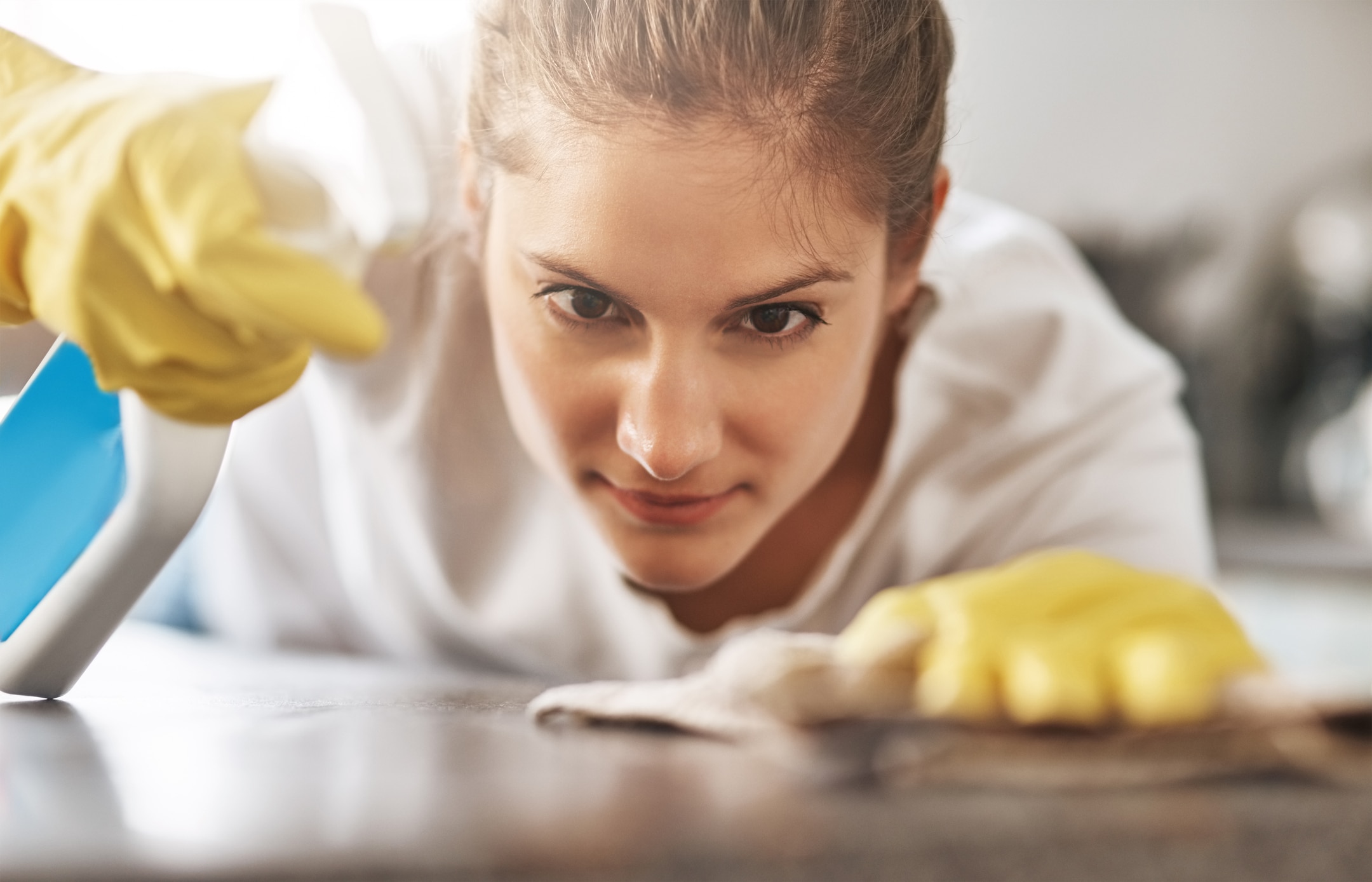
Rhonda Wilson, quality lead cleaner at FreshSpace Cleaning says to spray a cleaner on high-traffic areas — like your shower or toilet — and let it soak. While the products work on built-up grime, you can move on to wiping down or dusting other surfaces.
How does leaving cleaning products to soak save you time?
A little patience will speed up the spring cleaning work. Martinez says she saves considerable time by spraying a surface and then letting the product break down the grime to the point where it wipes away easily. Wilson offers these tips:
- In the bathroom: Spray the cleaner or apply the paste if you’re going heavy-duty on every major surface like tub, shower, toilet and sink. While that’s soaking, clean the cabinet fronts, wall tiles or doors. Then, proceed to scrub the soaked cleaner. Start with the tub, then the sink and end with the toilet. Always save the dirtiest for last so there’s a lower cross-contamination risk.
- In the kitchen: Instead of washing a sink full of dishes, don’t be afraid to simply load and run the dishwasher. Or if you don’t have a dishwasher (or it’s still full and you don’t have the time to unload), soak dishes in the sink with warm, soapy water. Cleaning them will be easier and quicker later.
- On high-touch surfaces: Spray door knobs, door frames and surfaces around light switches. Later, go back through the house with a wet cloth to wipe off the dust and dirt.
“Trust me, allowing a stain to soak in a mixture of baking soda and water, lemon juice or all-purpose cleaner will make the stain much easier to scrub out. Trying to simply scrub out the stain with elbow grease and a quick spritz of cleaner will take longer,” says Willatt.
Improve your indoor air quality
Improving your indoor air quality is good for your health and for time spent cleaning. Kenneth Mendez, president and chief executive officer of the Asthma and Allergy Foundation of America, says to change your HVAC system’s filters every two to three months and to use HEPA (High Efficiency Particulate Air) filters when possible to maximize the removal of particulate matter.
Clean filters will reduce dust and allergens in the home that settle onto surfaces and into carpets.
“One of the best things you can do to improve the air quality of your home is to clean your vents and air ducts,” Willatt says. Willatt acknowledges that many homeowners hire a professional to clean their vents and air ducts. However, you can do it yourself.
“All you need is a vacuum with a long, slender hose and a scrub brush with a long handle. They even make vent cleaning kits at home improvement stores you can buy,” says Willatt.
Spring equals pollen
If you’ve cleaned in the spring, you have probably dumped yellow mop water at some point. Mendez says you can take steps to reduce the amount of pollen that gets into your home to avoid it in the future.
“When you return from outside, remove your shoes and wash your hands. Wear a head covering (a hat or scarf) to prevent pollen from getting in your hair. If your pets have been outside, wash or wipe them down (if they’re agreeable) before they come inside.” He says to keep your windows closed during peak pollen times to keep it out of the house.
Involve others in the cleaning process
Martinez encourages families to divide the rooms or tasks among household members to avoid having one person bear the weight of the cleaning burden. Get creative and make it fun. This could look like:
- Making a playlist.
- Listening to a podcast.
- Creating a visual checklist. (Crossing things off provides a sense of accomplishment.)
- Deciding on a reward at the end of the cleaning process.
These small things can create a positive and motivating atmosphere to keep the work moving quickly and smoothly.
Be hard on dirt, not yourself
Spring cleaning doesn’t have to be an overwhelming, all-day event. With the right strategy, it can be a manageable reset that leaves your home feeling lighter, healthier and easier to maintain.
By decluttering first, working room by room and using tools that make the process more efficient, you can tackle even the biggest spring cleaning projects without burnout.
You may still find that some spring-cleaning tasks take longer than expected. (Windows, anyone?) But Wilson says, “Always remember, your spring cleaning doesn’t need to be perfect. Just do the best you can.”