STEM Programs Near Me

The Night Sky Star Story, Galaxy, and Sedona Story Tour
4.6 (274)
Powered by Viator
Sedona, AZ
The threefold tour mentioned above is a very unique line up :). The astronomy concepts presented and aided by the models and many of the stories play off of the concepts and even connect many what would seem like hidden aspects of our modern culture to the ancient past. This tour represents the culmination of a lifetime of seeking adventure and the desire to answer questions. Thank you very much for your interest ::)
In-person
5+ years

Hilton Head Outback Boat and Kayak Adventure
4.8 (22)
Powered by Viator
Hilton Head Island, SC
This unique tour starts with an exciting boat ride to beautiful Page Island, Outside's private paradise. Along the way, your captain will find tell entertaining stories and help spot interesting wildlife. Watch for dolphins and birds that call the tidal marsh home. Once on Page Island, you'll be launched in our comfortable kayaks and led on a scenic paddle through the Daufuskie Island nature web. Learn all about the local ecosystem and the critters that live there.
In-person
6+ years

Holiday Walking Tour: Underground Chicago via the Pedway
5.0 (27)
Powered by Viator
Chicago, IL
Take a tour of Chicago's Pedway system (a network of underground tunnels that allows pedestrians to pass from one end of the Loop to the other) and enjoy seasonal holiday decorations and sights along the way. Our tour begins in the lobby of the Swissotel where we descend into the Pedway. After a tour of the Chicago Cultural Center and its famous Tiffany Dome, we return to the Pedway for a short walk to Macy's department store. There, we'll view the famous Tiffany ceiling, the "Great Tree" in the Walnut Room and the store’s decorated holiday windows. We return to the Pedway and follow it to Civic Center Plaza for a visit to the Christkindlmarket, an authentic European holiday market. We return to the Pedway for a visit to City Hall followed by a short walk to a nearby L station. A quick train ride takes us to the origin/terminus of Route 66, the Art Institute’s lion statues, and Millennium Park to view the famous Cloud Gate sculpture, aka, The Bean and the city's holiday tree .
In-person
12+ years

Yellowstone & Grand Teton National Parks: Small Group 3-Day Tour
5.0 (2)
Powered by Viator
Salt Lake City, UT
As commercial tour operators, we are exempt from the Alternating License Plate System and have access to Yellowstone National Park every day without restriction. We offer personalized small-group & private "2canGo" Packages with an unparalleled level of flexibility. Each itinerary can be adjusted according to the requests of the travelers. This 3-day small-group tour is designed for nature enthusiasts with limited time to explore the beauty of Yellowstone and Grand Teton National Park. Experience the majesty of Jackson Hole, the Grand Tetons, and Yellowstone. This rugged landscape is home to extensive wildlife, beautiful scenic drives, and unforgettably iconic destinations like Old Faithful. The fall foliage in Grand Teton and Yellowstone National Parks is incredible.
In-person
3+ years

Wildlife Conservation Center & Portage Valley Glaciers
4.8 (132)
Powered by Viator
Anchorage, AK
Embark on a scenic journey along the Turnagain Arm. View breathtaking Scenery, keeping a lookout for Beluga whales, Dall Sheep, Bald Eagles, and the occasional bear! Learn about the local ecosystem and local wildlife from your experienced tour guide, as they drive along the inlet. You will arrive at the Alaska Wildlife Conservation Center to visit and learn about the many local wildlife that have been rescued. Lastly, enjoy a scenic drive through Portage Valley and view these beautiful glaciers and Salmon streams. Enjoy round-trip transportation from Anchorage. Learn about local wildlife and ecosystems. Visit Alaska Wildlife Conservation Center, to see and learn about local Alaskan wildlife. Drive-thru parts Portage Valley. A walk in the rainforest.
In-person
1+ years

Deluxe Coffee Culture Tour from Berry to Brew in 60 Minutes
5.0 (2)
Powered by Viator
Holualoa, HI
Uncover the secrets behind your daily cup of coffee on this engaging 60-minute tour. Discover how an earthy red berry transforms into the beloved beverage that fuels cultures worldwide. This fun-filled experience is mainly conducted aboard a Polaris ATV, allowing you to explore while learning. Prepare for an enlightening journey that combines science, flavor, and a bit of walking to fully appreciate the coffee-making process. - 60-minute tour exploring the journey of coffee from berry to brew - Learn the science behind coffee flavors and preparation - Primarily conducted aboard a Polaris ATV for a unique experience - Includes some walking to enhance your understanding of coffee culture
In-person
All ages

Chicago Architecture Tour: Underground Pedway and the Loop
4.9 (476)
Powered by Viator
Chicago, IL
This tour explores some of the best hidden details, secret buildings and spaces, and untold stories that add wonderful bits of color and texture to the overall narrative of Chicago. On this tour, we will explore the famous and mysterious Chicago Pedway, a system of underground tunnels connecting 40 blocks downtown, popping in and out of buildings to see beautiful and fascinating interior spaces. You'll learn to use this system that most locals don't even fully know or use, and you'll be encouraged to continue exploring Chicago on your own after the tour!
In-person
All ages

Griffin Museum of Science and Industry Admission
4.4 (21)
Powered by Viator
Chicago, IL
Housed in the only remaining building from the 1893 World's Fair, Griffin MSI is a Chicago must-see. When visiting the largest science museum in the Western Hemisphere, you'll experience a 40-foot tornado, climb aboard a World War II German submarine, take a run in a human-sized hamster wheel, descend into an Illinois coal mine, board a 727 hanging from the ceiling and much more! Griffin MSI is not a place where you walk around quietly and observe. You get involved in the fun — and learn — by doing. Just a few miles from downtown with convenient underground parking.
In-person
All ages


Sitka’s Best Local Whale Watching & Marine Wildlife Tour
4.8 (137)
Powered by Viator
Sitka, AK
Sitka Sea Level Adventures is a local & family-run tour company in Sitka, Alaska. Specializing in whale watching & marine wildlife tours, we explore Sitka Sound & the pristine wilderness around the Tongass National Forest & the volcanic coastline of our island home. The surrounding waters are a marine playground for several whale species, including Humpback, Gray, and Killer Whales, sea lions, sea otters, eagles, puffins & sea birds galore! Our tours are led by skilled Sitkans whose deep-rooted connection to the area means you’ll gain unique local insights into the habits & history of these incredible animals. With our knowledgeable guidance, you’ll learn about the diverse ecosystems & wildlife that make Sitka Sound such a special place. Whether you’re a wildlife enthusiast, a nature lover, or simply looking for an unforgettable adventure, this tour offers a chance to witness Alaska’s marine life in one of the most beautiful places on Earth.
In-person
All ages

New York City Christmas Holiday Statue and Skyline Cocoa Cruise
4.8 (56)
Powered by Viator
New York, NY
Experience New York from the water on this spectacular holiday cruise aboard a 1920s-style classic boat. See all the major sites of Manhattan along the water and enjoy a beverage in the glassed-in, heated observatory. Tables will be assigned at check-in. Bring your family or closest friends and relax while cruising New York Harbor. Decorated in fabulous holiday decor, this experience is sure to get you into the holiday spirit. A great tour for families, locals and visitors alike. Light narration is provided by the captain along with some holiday tunes on our sound system. Hot beverages, beer, wine, Champagne and soda are available for purchase. One drink is complimentary.
In-person
All ages

Covered Wagon Adventure & BBQ
4.9 (205)
Powered by Viator
Palm Desert, CA
We are a true Eco Tour company in the state of California using wagons and mules to tour an ancient wilderness. You will have to go to Colorado or Montana in the summer to do something like this. A truly unique western experience. Where can you take a wagon tour pulled by mules into the desert wilderness in the world? No where but here! We are an authentic and unique desert tour that showcases the natural flora and fauna of the Palm Springs Desert ecosystem. Our live entertainment is professional and very enjoyable. We offer optional dancing lessons, games and great food. The most total inclusive and immersive desert experience in the Coachella Valley. Adventurous, educational, beautiful, unique, fun, delicious, happy, Hallmark Movie is what we have been described on our reviews! The good old days are still here at Covered Wagons!
In-person
All ages

Everglades Mangrove Wilderness Boat Tour
5.0 (98)
Powered by Viator
Everglades City, FL
Embark on an unforgettable adventure through Everglades National Park on our Mangrove Wilderness Boat Tour! Over 1 hour and 45 minutes, we’ll navigate the intricate mangrove tunnels of the 10,000 islands. Your expert guide will highlight the distinct traits of various mangrove species and explain the diverse ecosystem of Everglades National Park. Keep your eyes peeled for Alligators, Dolphins, manatees, and over 300 bird species that inhabit this remarkable landscape.
In-person
All ages

Guided Clear Kayak Eco-Tour Near Key West
4.9 (702)
Powered by Viator
Summerland Key, FL
100% Clear Kayaks: Unlike traditional kayaks, ours are completely see-through. As you paddle, you'll have a front-row seat to the vibrant marine life beneath the blueish-green waters. Eco-Tours with Marine Viewing: Our eco-tours immerse you in the rich ecosystem of the Florida Keys. Watch for starfish, nurse sharks, jellyfish, stingrays, and many other marine creatures as they go about their daily lives just inches beneath your kayak. Journey through Mangroves: The tour takes you through the pristine mangroves of Sugarloaf Key, offering a scenic and serene experience that's both refreshing and educational. You'll get to witness the delicate balance of life in these important coastal habitats. If the tide is too low or too high, your guide may adjust the route to ensure the best experience. Expert Guides: They're trained to prioritize safety while sharing interesting facts about the area's marine life and ecosystem.
In-person
3+ years

Everglades Birding, Dolphin and Wildlife Boat Tour (2 hours)
4.7 (100)
Powered by Viator
Chokoloskee, FL
Everglades National Park is unique on our planet. It is a wonderful, water-filled paradise that is best accessed by a quiet, slow-moving, shallow draft boat. One of the best loved residents of the Park are Bottle-Nosed Dolphins. Watching dolphin, in their natural habitat, interacting with each other, something that you will never forget. Our full-time, formally trained, Florida Master Naturalist guides will safely take you deep into the 10,000 Islands of the Everglades. While searching for dolphins, manatees and some of the 300 different species of birds that call the Park home, you will learn about the different Everglades ecosystem, its long history and rich culture. You will have fun and learn a lot. Don't forget your cameras! Note: June through October, we suggest the morning experiences due to the weather.
In-person
1+ years

3D Printing Usining Blender/TinkerCAD
71%
by Siliconvalley4U
3D printing is the construction of a three-dimensional object from a CAD model or a digital 3D model. This class is open to beginning and advanced students. Topics covered aims to provide students the knowledge of basic 3D Printing. Students will explore and create their own 3D models through a software. TinkerCAD or Blender will be introduced to students. Focus would be on 3D modeling first.
Online
Ages 6-18 years
Drawing/Painting Wednesdays 3:30 Virtual - Session 1 (September)
100%
by Kimberly V. Art
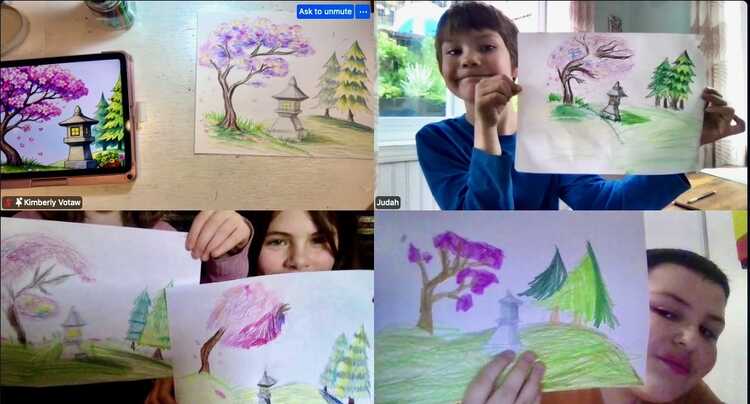
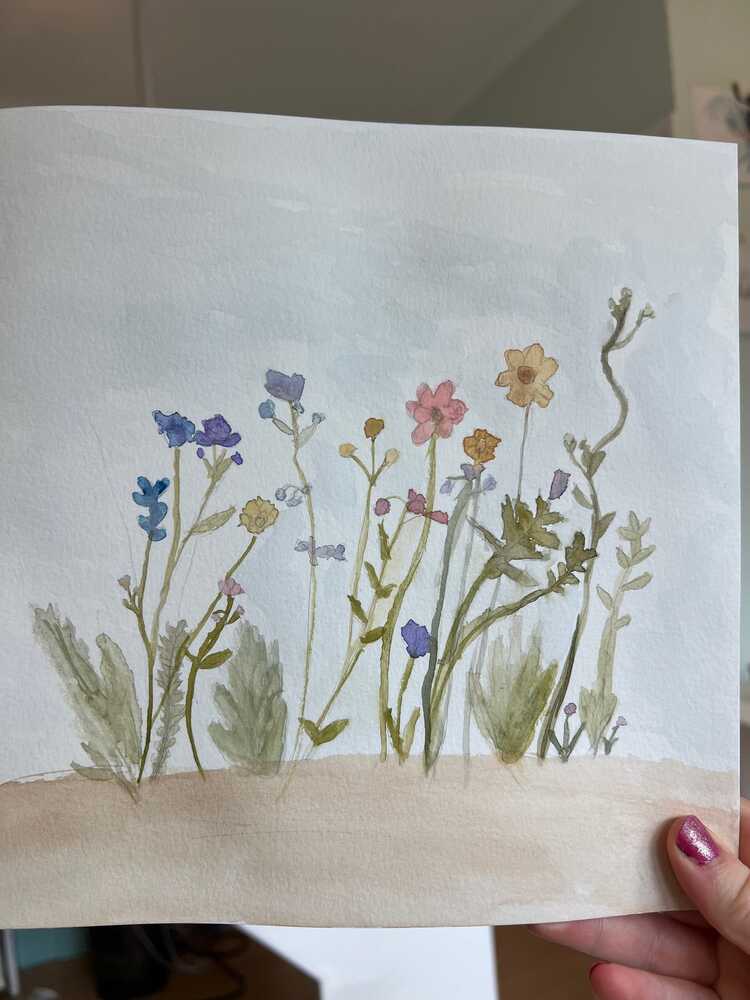
In Drawing/Painting Class we will create a variety of fine art projects focusing on technique and style, composition, brushwork, and systematic practice. KVArteest will give input on our subject matter, as we together decide what we want to learn.
Online
7+ years

Level 1 - The Thinker ( Problem Solving with Python & Programming Basics ) - Quarterly / Half yearly / Monthly
by MathCodeLab
Outcome Introduces beginners to programming fundamentals, focusing on logic, coding, and systems through hands-on Python activities. Students build a strong foundation for further learning. Students learn core skills like problem-solving and pattern recognition by tackling relatable challenges such as optimizing a store checkout line showing how these abilities apply across fields from tech to medicine to the arts. We begin with practical problems before introducing technical concepts, ensuring students grasp the “why” behind what they learn. This hands-on, engaging approach sparks creativity, builds confidence, and equips students with versatile skills for any future path.
Online
Ages 11-18 years

Drawing/Painting Wednesdays 1:30 Virtual - Session 3 (November)
100%
by Kimberly V. Art
In Drawing/Painting Class we will create a variety of fine art projects focusing on technique and style, composition, brushwork, and systematic practice. KVArteest will give input on our subject matter, as we together decide what we want to learn.
Online
7+ years
Drawing/Painting Tuesdays 3:30 Virtual - Session 2 (October)
100%
by Kimberly V. Art
In Drawing/Painting Class we will create a variety of fine art projects focusing on technique and style, composition, brushwork, and systematic practice. KVArteest will give input on our subject matter, as we together decide what we want to learn.
Online
7+ years
Drawing/Painting Wednesdays 3:30 Virtual - Session 2 (October)
100%
by Kimberly V. Art
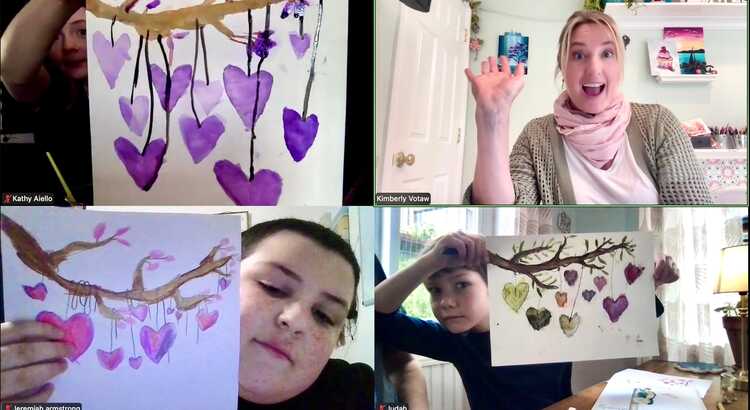
In Drawing/Painting Class we will create a variety of fine art projects focusing on technique and style, composition, brushwork, and systematic practice. KVArteest will give input on our subject matter, as we together decide what we want to learn.
Online
7+ years
Showing 925 - 945 of 952